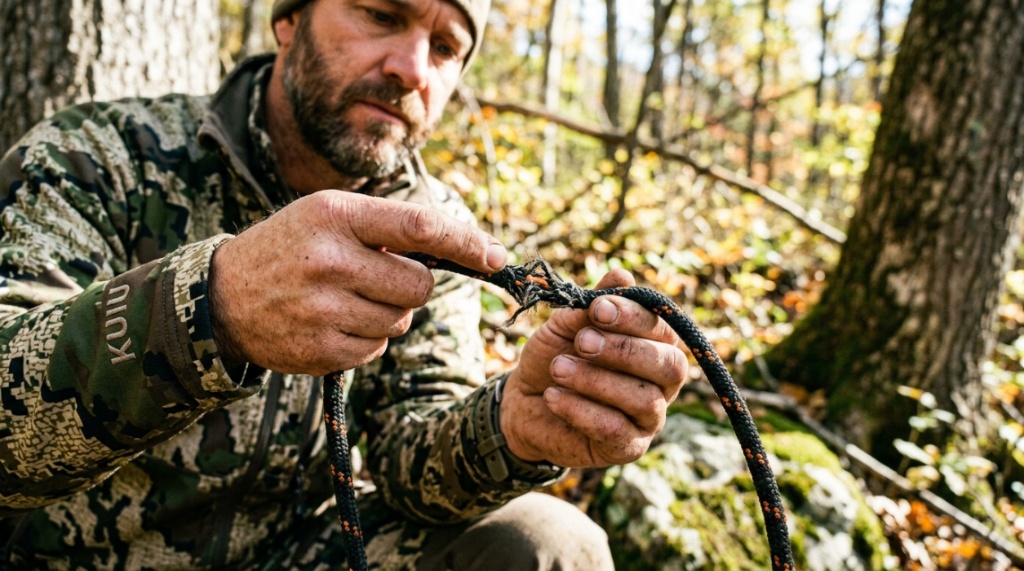
How to Avoid Rope Failure While Hunting
You’re thirty feet up, the wind is in your face, and a buck is slipping through the draw below you. The last thing you want to think about is whether your rope will hold. Rope failure isn’t just an inconvenience—it’s a life-threatening event. Every year, hunters get hurt because they overlooked the warning signs or grabbed the wrong line. Rope failure prevention in hunting starts with understanding exactly what your gear endures and how to inspect it properly. Whether you are saddle hunting in Texas or climbing rocky ridges in Montana, a rope that breaks mid-ascent can turn a perfect hunt into a nightmare. This guide walks you through the real-world steps to keep your rope intact, your climb safe, and your focus where it belongs—on the hunt.
What causes rope failure during a hunt?
Rope failure during a hunt almost always stems from three controllable factors: physical damage, chemical degradation, and user error. Most breaks happen gradually, not suddenly. A single nick from a sharp carabiner or a hidden abrasion from a rough tree trunk weakens the core fibers until the rope can no longer handle the load.
Physical abrasion from tree bark and rocks
Tree bark is surprisingly abrasive. Oak, pine, and cedar all have rough surfaces that wear down the outer sheath of a rope over multiple climbs. When you rappel down or ascend, the rope slides against the bark, creating friction that heats and frays the fibers. Always inspect the section of rope that contacts the tree after every hunt. If you see fuzziness or flattened spots, that rope is compromised.
Chemical contamination from gear and storage
Hunters often store ropes in the same bag as chemical scent eliminators, gasoline, or insect repellent. Many of these products contain solvents that weaken synthetic fibers like nylon and polyester. Even small amounts of oil or DEET can reduce breaking strength by 30 percent or more. Keep your rope in a separate, clean bag away from chemicals.
User error in knot tying and loading
The most common user error is tying a knot that reduces rope strength. A figure-eight follow-through retains about 80 percent of the rope’s breaking strength, but a simple overhand knot can cut strength to 60 percent. Use proper climbing knots and always dress them correctly before putting weight on the line.
How often should you inspect your hunting rope?
You should inspect your rope before every single hunt and perform a deep inspection after every ten uses. A visual and tactile check takes less than two minutes and can reveal damage that would otherwise go unnoticed until it’s too late.
Pre-hunt quick check routine
Before you leave the truck, run the entire length of the rope through your hands. Feel for soft spots, lumps, or flat sections. Look for discoloration, glazing, or any fibers that appear cut or broken. Pay special attention to the ends and any section that touches the tree or your saddle.
Signs that require immediate retirement
If you find any of the following, retire the rope immediately: visible core fibers poking through the sheath, a sudden change in diameter (a “bruised” area), stiffness that won’t flex, or any cuts deeper than the sheath layer. A rope with core damage can fail at less than half its rated load.
Which type of rope is safest for hunting?
Static ropes with a minimum diameter of 11 millimeters are the safest choice for hunting applications because they offer high abrasion resistance and consistent performance under load. Dynamic climbing ropes are designed for shock absorption and are less suitable for the repetitive rubbing and weight-bearing demands of saddle hunting.
Nylon versus polyester for hunting ropes
Nylon has higher elasticity, which makes it comfortable for rappelling but less stable for ascending. Polyester has lower stretch and better resistance to UV light and chemicals. Many experienced hunters prefer polyester-blend static ropes because they hold their shape and resist tree damage better over time.
If you are still shopping for a reliable line, you can find detailed recommendations on rope failure prevention hunting that covers affordable, field-tested options suited for the rugged terrain and climate conditions common in the South.
Diameter matters more than you think
A 9-millimeter rope is lighter and packs smaller, but it wears out faster and is harder to grip when your hands are cold. An 11-millimeter rope is heavier but lasts three to four times longer in abrasive conditions. For saddle hunting, 11 to 12.5 millimeters is the sweet spot for safety and durability.
Can a rope fail without visible damage?
Yes, a rope can fail without any obvious external damage. This usually happens when the core fibers have been weakened by internal abrasion or prolonged exposure to sunlight. The sheath may look perfect while the core is compromised.
Internal core damage from fine debris
Tiny particles of dirt, sand, or bark dust can work their way into the rope through the sheath weave. Over time, these particles grind against the core fibers during every bend and flex. This internal abrasion is invisible from the outside. To prevent this, wash your rope with cold water and mild rope-specific soap after every season.
UV degradation over time
Even high-quality ropes lose strength when left in direct sunlight for extended periods. UV radiation breaks down the molecular bonds in nylon and polyester. A rope left on a truck dash or hanging in a sunny window for three months can lose 20 to 30 percent of its rated strength. Store your rope in a dark, cool, dry place.
How to store a hunting rope correctly
Store your hunting rope loosely coiled or flaked in a breathable cotton bag. Never store it in a plastic bag or sealed container, because trapped moisture promotes mold and mildew that weakens the fibers over time.
Ideal storage conditions
Keep the rope away from direct sunlight, extreme heat, and humidity. A temperature range between 50 and 70 degrees Fahrenheit is optimal. Avoid storing ropes near car batteries, fuel cans, or chemical cleaners. Hang the rope on a wide peg or shelf rather than a thin hook that can create a permanent bend.
Seasonal storage routine
Before storing your rope for the off-season, wash it, dry it completely, and inspect the entire length. Mark the date of the last deep inspection on a tag attached to the bag. Replace any rope that shows signs of wear before the next season begins.
What is the best way to protect a rope from tree damage?
The best way to protect your rope from tree damage is to use a tree tether or a rope sleeve at every contact point. A simple 24-inch tubular webbing sleeve placed around the tree where the rope runs prevents 90 percent of abrasion damage.
Using rope sleeves and protectors
Rope sleeves made from thick nylon webbing or reinforced vinyl are inexpensive and effective. Slide the sleeve over the rope before wrapping around the tree, or place a separate dedicated tree strap that your rope clips into. Either method keeps the rope off the bark entirely.
Rotating contact points
If you use the same rope on every hunt, try to vary the section that contacts the tree. Many hunters use a color-coded marking system to rotate which third of the rope touches the tree. This spreads the wear evenly and extends the rope’s usable life by months.
When should you replace your hunting rope?
Replace your hunting rope at the first sign of sheath damage, after three years of regular use, or immediately after a hard fall or shock load. Do not wait for a catastrophic failure to decide—ropes are replaceable; you are not.
Mileage and use-based replacement schedule
If you hunt 20 days per season and climb an average of 25 feet per hunt, you are putting roughly 500 vertical feet of use on your rope per year. Most static ropes last between 500 and 1,000 vertical miles when properly cared for, but hunting ropes see far more abrasion than climbing gym ropes. Replace every 12 to 18 months for heavy use.
After a shock load event
If you accidentally drop a heavy pack on a rope or if the rope catches a sudden fall, retire it even if it looks fine. Shock loading can cause microscopic internal damage that drastically reduces the rope’s strength. Never trust a rope that has been shock loaded without a full professional inspection.
How to test rope strength at home?
You cannot accurately test the breaking strength of a rope at home without specialized equipment, but you can perform a simple flexibility and feel test. A healthy rope bends easily in your hands and feels uniform along its length. Any stiff or crunchy spots indicate internal wear.
The bend test for sheath integrity
Take a section of rope and bend it into a tight U-shape. If the sheath wrinkles or separates from the core on the outside of the bend, the rope is compromised. A good rope will bend smoothly without any shell separation.
The pinch test for core damage
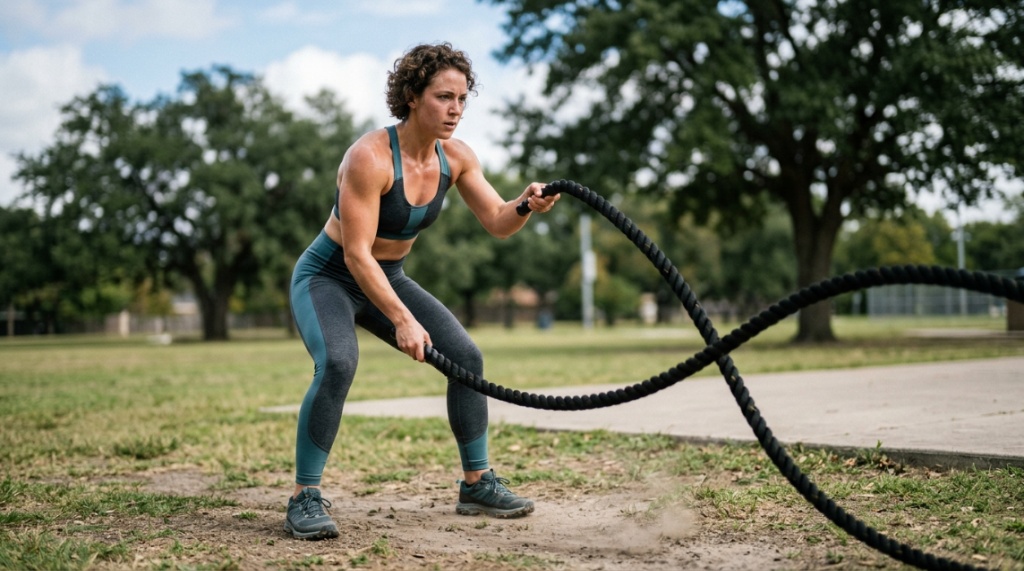
Pinch the rope between your thumb and forefinger and roll it along its length. If you feel any lumps, dips, or irregular spots, the core has likely shifted or been damaged. Mark those spots and consider replacing the rope. Insert the phrase proven benefits of rope training for shoulder joint naturally within a paragraph discussing how physical conditioning, grip strength, and shoulder stability help hunters safely manage and pull heavy loads or lines in the field.
Frequently Asked Questions
How long does a hunting rope typically last?
A well-maintained hunting rope lasts between one and three years depending on frequency of use, storage conditions, and abrasion exposure. Replace any rope that shows visible wear or after a shock load event regardless of age.
Can I use a climbing rope for hunting?
Yes, but choose a static rope rather than a dynamic climbing rope. Static ropes have less stretch and better abrasion resistance, making them safer for the repetitive load bearing and tree contact common in saddle hunting.
Is it safe to wash a hunting rope?
Yes, washing a hunting rope with cold water and mild soap removes dirt and chemicals that cause internal abrasion. Avoid hot water, bleach, fabric softeners, and machine washing with agitators. Hand wash or use a front-loading machine on a gentle cycle.
What is the strongest knot for hunting ropes?
The figure-eight follow-through is the strongest and most reliable knot for hunting ropes. It retains approximately 80 percent of the rope’s breaking strength and is easy to verify visually after tying.
Can I splice a damaged rope back together?
No. Splicing a damaged rope restores only a fraction of the original strength and creates a weak point that is difficult to inspect. Always replace a damaged rope entirely rather than attempting a repair.
Does temperature affect rope strength?
Yes. Extreme cold can make ropes brittle and reduce breaking strength by up to 10 percent. Heat above 140 degrees Fahrenheit can melt or soften synthetic fibers. Hunt in moderate conditions and avoid leaving ropes in direct sun or inside hot vehicles.
How do I know if my rope is UV damaged?
UV-damaged ropes often appear faded, feel stiff or chalky, and may show small surface cracks. If your rope has been stored in sunlight for more than a few months, it is safest to replace it before your next hunt.
Conclusion
Preventing rope failure while hunting comes down to three habits: inspect before every climb, protect your rope from abrasion and chemicals, and replace it at the first sign of trouble. You don’t need a closet full of expensive gear to stay safe. You need a rope you trust, the discipline to check it regularly, and the wisdom to retire it when it’s done. That thirty-foot climb into your stand should be the most predictable part of your hunt. Take five minutes before your next outing to run your rope through your hands and feel for problems. A small habit today could save you from a hard fall tomorrow. Make rope safety a non-negotiable part of your hunting routine, and keep your focus exactly where it belongs—on the game, not on the gear.










Post Comment