Why Electric Steering Racks Go into Limp Mode
Why Electric Steering Racks Go into Limp Mode
Have you had the misfortune to be out for a drive when your car’s steering suddenly becomes heavy and a warning light appears on the dashboard? You’re not having some kind of strange vehicle failure, your car’s steering system has simply ‘dropped into limp mode’ to protect itself from possible damage. So what’s gone wrong and how can it be put right?
What Limp Mode Actually Is
It’s called ‘Limp Mode’ and it’s a fail-safe which switches the steering back to being controlled by the physical turning of the wheels should the system fail for some reason. In such an event, you can still drive your vehicle but it will require a lot more effort to steer than normal as there will be no assistance from the Electric Power Steering (EPS) system.
Low Voltage or a Poor Earth Connection
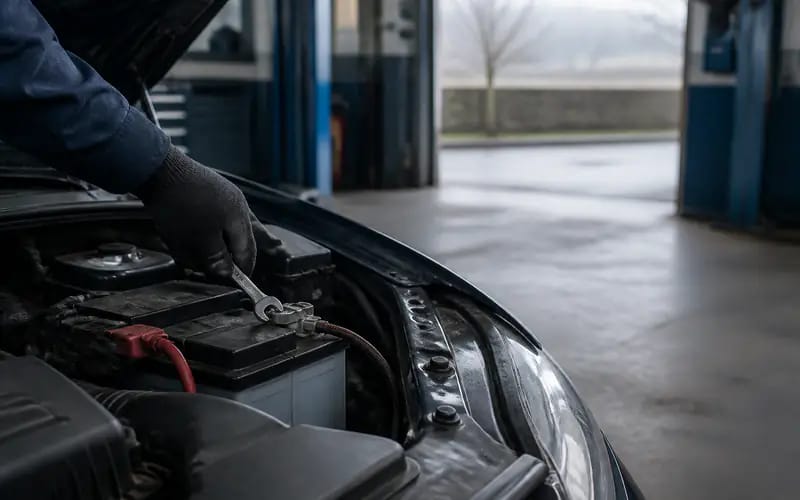
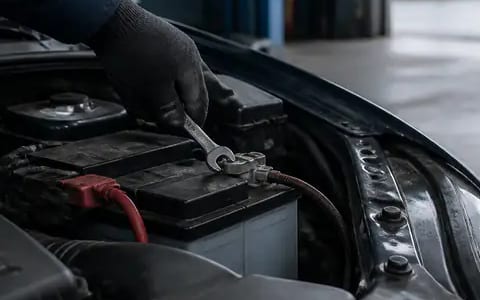
Electric Steering Racks require a good constant electrical supply to function properly. So a weak battery or poor earth connections at chassis connections (ground) can cause EPS problems, even if nothing inside the steering rack itself is damaged. In these cases voltage drop is thought of by the control unit as a fault it cannot rely on. Checking the battery voltage and earth connections on the chassis of the car may well cure the problem and will cost very little to have done.
A Faulty Torque or Rotation Sensor
The sensors within the steering rack (torque and rotation sensors) can fail in much the same way as any other sensor within a vehicle. If for some reason they start to send the ECU inconsistent readings then the ECU will have no way of knowing what is going on with the steering lock and will therefore disable the steering assist. This type of fault will usually start to show up in a ‘gradual’ manner with the power assisted steering starting to feel ‘odd’ before it fails completely and remains so.
CAN Bus Dropouts and Wiring Faults
A steering ECU communicates constantly with the other control units (ABS, Engine etc.) on a car’s network. It can request information such as current road speed from other nodes on the network and share information on wheel movement etc. If there is a temporary loss of communication with another control unit on the network (due to a connector having come loose, chafing of wiring etc.) the ECU may interpret this as a fault. It cannot operate safely in such circumstances, and so will switch to a “limp home” mode to ensure safe operation of the vehicle.
Software Faults After a Battery Disconnect or Jump Start
A very common cause for an EPS system to enter into Limp Mode is a software-related fault that can occur after a battery disconnect, or even a jump start. Some systems need to be ‘relearned’ after such events, and/or need to be reset after the fitment of a new part. Without such relearning or resetting, the EPS control unit may not function as expected, and flag up a ‘mismatch’ of some sort that cannot be resolved by the system itself. This is one of the more common causes for an EPS system to enter into Limp Mode, and is also one of the easiest to diagnose.
Overcurrent Protection Tripping
When an Electric Power Steering (EPS) system detects excessive current it will shut down the system to prevent damage to the motor. The control unit will have learned what current is required to provide adequate assistance while steering gently, but will not know what excessive current is until it occurs. It can occur due to a number of reasons such as excessive friction in the racks joints, a stick / seized joint, or even foreign objects caught inside the mechanism. When excessive current is detected the control unit will shut down the system.
Dashboard Warnings That Go With It
When steering goes into limp mode, it often is accompanied by dashboard warnings such as an amber steering wheel symbol, an EPS warning light and/or a general fault light. This warning is only shown for a short period of time and is usually accompanied by a brief beep or even a message on the instrument display. It’s best to take notice of the warning lights as they are an early sign of potential problems.
What to Do When It Happens
Pull over to a safe location. Switch off the engine and then switch it back on and check the steering is now working correctly. Some transient faults may clear themselves when the system is switched off and on again. If not, get the fault codes read and addressed by a qualified garage or dealer. In the mean time check if there are any open safety recalls on your car that may be causing the limp mode. Some models are affected by known software and wiring issues that have been identified and rectified by manufacturers.
Limp mode is a safety function to prevent potential damage. While it’s not nice to have to steer your car in such a way and it can happen at any time, it is a message that you need to get looked at by a qualified mechanic ASAP.











Post Comment