
AGU Fall Meeting 2026: Registration, Presentations, Events and Activities
Every December, Earth and space scientists head to San Francisco. They share new results, swap ideas, and build friendships that last for years. In 2026, the gathering runs from December 7 to 11 at the Moscone Center. This guide covers everything you need to plan your trip, from signing up to giving your talk.
Whether you are a first-time visitor or a longtime member, you will find clear steps here. Additionally, you will see tips that save time, money, and stress. Let’s dive in.
Quick Facts About AGU26
Before the details, here is a snapshot. This table gives you the essentials at a glance.
| Item | Details |
| Event name | AGU26 |
| Dates | December 7–11, 2026 |
| Location | Moscone Center, 747 Howard Street, San Francisco, California |
| Format | In-person |
| Theme | Where Science Connects |
| Expected crowd | More than 25,000 attendees |
| Countries represented | More than 100 |
| Organizer | American Geophysical Union |
As you can see, this is a huge event. Therefore, early planning matters.
What Is the AGU Annual Gathering?
The American Geophysical Union, known as AGU, hosts the world’s largest meeting of Earth and space scientists. The group has served the science community for more than a century. Its yearly fall event draws researchers, students, teachers, policymakers, journalists, and industry experts.
The program covers a very wide range of topics. For example, you can explore climate science, oceans, volcanoes, earthquakes, space weather, planetary science, hydrology, and much more. Moreover, many sessions mix fields. A satellite expert might sit beside a field geologist, and a computer modeler might chat with a policy advisor.
This year’s theme is Where Science Connects. The theme highlights teamwork across fields, borders, and career stages. Consequently, you can expect plenty of sessions about shared data, open science, and community partnerships.
Dates, Location and Venue
The meeting takes place from Monday, December 7, through Friday, December 11, 2026. The venue is the Moscone Center in downtown San Francisco. Its address is 747 Howard Street, in the SoMa district.
The Moscone Center sits close to hotels, restaurants, and public transit. Therefore, many attendees walk between sessions and their rooms. Additionally, the city has strong rail and bus links, so you do not need a car.
San Francisco in December is mild but can turn wet and windy. Pack layers and a light rain jacket. Comfortable shoes are also a must, because you will cover many miles inside the halls.
Key Dates and Deadlines
AGU sets a clear timeline each year. Some deadlines have already passed, so this table helps you see where things stand.
| Milestone | Date | Status |
| Session proposals closed | April 22 | Closed |
| Abstract submissions opened | Mid-June | Closed |
| Regular abstract deadline | August 5 | Closed |
| Attendee registration and housing opened | August 25 | Open |
| Late-breaking abstract deadline | September 29 | Closed |
| Meeting begins | December 7 | Upcoming |
Dates can shift, however. Therefore, always confirm the latest news on the official AGU website before you book anything.
How to Register for the Meeting
Registration and housing opened on August 25. Signing up is simple, but a few steps need attention. Follow this checklist.
- Create or update your AGU account. Use an email address you check often.
- Choose your registration type. Options usually cover members, non-members, students, and retirees.
- Pick your days. Some people attend all five days, while others join for part of the week.
- Add any extras, such as workshops or special events.
- Pay the fee and save your receipt.
- Download your confirmation and badge details.
Fees change with membership status and timing. Members often pay less than non-members. Students and early-career scientists usually receive lower rates too. In addition, joining AGU before you register can sometimes cost less than paying the non-member price. Check the current fee table on the AGU site, because rates differ by category.
Tips for a Smooth Sign-Up
First, register as soon as you can. Early bird pricing, when offered, saves real money. Second, double-check your name spelling, since your badge will use it. Third, keep a copy of your confirmation. Finally, ask your employer or lab if funds exist for travel. Many universities and agencies support conference costs.
Visa and Travel Documents
International visitors should start early. Visa appointments can take weeks or months. Therefore, begin the process right after you register. AGU can provide a letter of invitation for registered attendees, which helps with your application. Ask the registration team for details.
Housing and Travel Planning
AGU opens a housing block at the same time as registration. The block offers rooms at partner hotels near the venue. These rooms often cost less than regular rates, and they sit within walking distance or a short ride.
However, rooms sell out fast. Hotel prices in San Francisco also climb during big events. Consequently, book early and look for free cancellation. If you prefer more space or lower costs, consider sharing a room with a colleague.
For getting there, you have several choices:
- San Francisco International Airport connects to downtown by train in about 30 minutes.
- Oakland International Airport is another option, with a train and ferry connection.
- Amtrak and regional trains serve nearby stations.
- Local transit, rideshare, and walking cover most trips once you arrive.
Book flights early, too. Fares tend to rise as December gets closer.
Who Should Attend?
The event suits many people. Here are the main groups.
- Researchers who want to present results and get feedback.
- Graduate students who want to practice talks and meet mentors.
- Early-career scientists who are hunting for jobs or collaborators.
- Teachers and outreach staff who want fresh classroom ideas.
- Policymakers and agency staff who track new science.
- Journalists and communicators who cover Earth and space news.
- Companies and nonprofits that want to meet the science community.
In short, if your work touches Earth, ocean, air, or space, you belong here.
Presentations: How the Science Program Works
The heart of the meeting is its science program. Thousands of talks and posters fill the week. Each one starts as an abstract, which is a short summary of your work.
Abstract Submission
The main abstract window ran from mid-June to August 5. A late-breaking window followed and closed on September 29. If you missed both, do not worry. You can still attend, learn, and prepare for next year. Moreover, you can join sessions as a listener and ask questions.
If you submitted an abstract, watch your email for your schedule. Sessions appear in the program, and the final timetable goes online. Check your assigned day, time, and room as soon as they go live.
Oral Presentations
Oral sessions place speakers on stage for a short, timed talk. Because time is tight, you must stay focused. Here are some tips:
- Start with one clear message.
- Use big visuals and little text.
- Practice with a timer until you finish a minute early.
- Prepare two or three questions you expect.
- Arrive at your room early and test your slides.
Poster Presentations
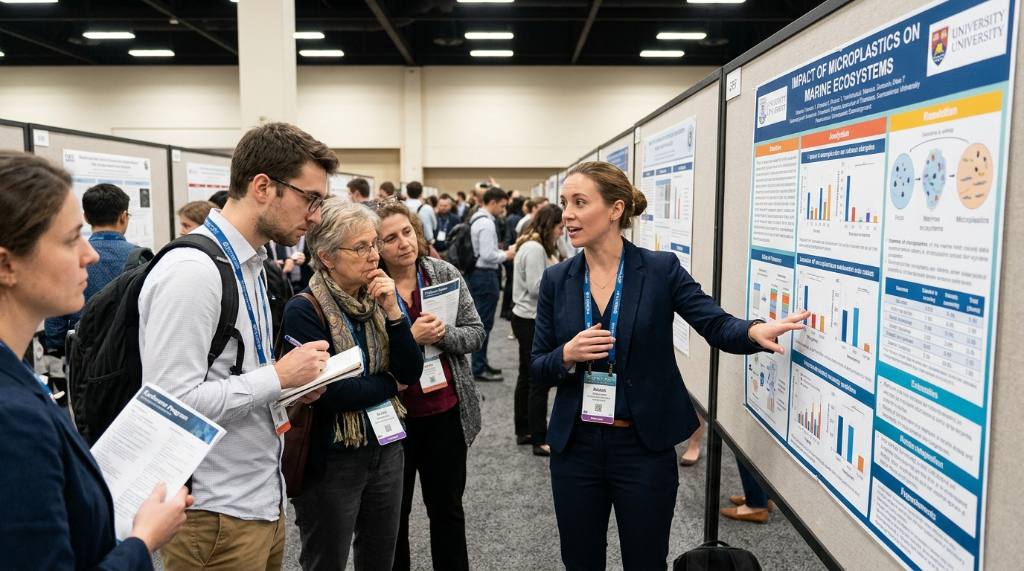
Posters give you more time to chat. Visitors walk by, read, and talk with you one on one. Therefore, a poster can lead to longer and deeper talks than a short oral slot.
A strong poster has a clear title, a short summary, bold figures, and a few key takeaways. Keep words to a minimum. Additionally, bring business cards or a scannable code so people can reach you later.
Presentation Formats at a Glance
| Format | Best for | Main benefit |
| Oral talk | Clear, focused results | Large audience in one room |
| Poster | Detailed or early-stage work | Long, personal conversations |
| Town hall | Community discussion | Open dialogue with leaders |
| Workshop | Hands-on learning | New skills and tools |
Events and Activities Beyond the Science Sessions
The meeting offers far more than talks. Indeed, many attendees say the side events matter most.
Town Halls and Special Sessions
Town halls bring leaders and members together. Topics often include funding, data sharing, education, and research priorities. These sessions let you ask direct questions and share your views.
Scientific Workshops
Workshops teach practical skills. They may cover coding, data tools, field methods, or science writing. Some need a separate sign-up, so add them when you register.
Networking and Career Support
Career help is a big draw. Expect mentoring programs, career events, and chances to meet employers. Furthermore, informal meetups happen all week. Coffee lines, poster halls, and evening receptions all work well for meeting new people.
To make the most of networking, set a goal. For example, aim to meet five new people each day. Then follow up by email within a week.
Exhibit Hall
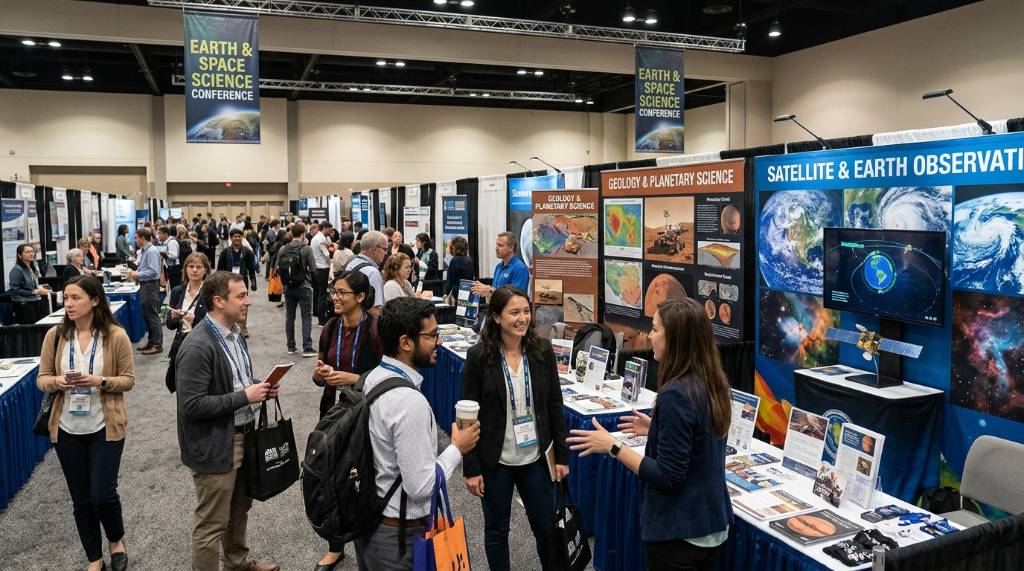
The exhibit hall features companies, agencies, publishers, and universities. You can test new instruments, learn about software, and pick up job leads. In addition, many booths host short demos and talks.
Awards and Ceremonies
AGU honors outstanding scientists and communicators during the week. Award and medal ceremonies celebrate big contributions to the field. They also inspire younger researchers to aim high.
Student and Early-Career Activities
Students find plenty of support. Expect events built for them, such as mentoring sessions, travel help programs, and friendly social hours. Check the official program for the full list and timing.
Smart Planning Tips for the Week
A five-day conference can feel overwhelming. However, a little prep makes it easy.
- Build your schedule before you arrive. Use the online program to save sessions you want to see.
- Mix big talks with small ones. Smaller sessions often spark better conversations.
- Leave gaps. Breaks give you time to rest and chat.
- Download the official app if one is offered. It helps you find rooms fast.
- Carry a water bottle, snacks, and a charger.
- Wear comfortable shoes and dress in layers.
- Take notes and photos of slides when speakers allow it.
Additionally, plan one evening for fun. San Francisco has great food, views, and museums. A short break can recharge you for the next day.
Budget Tips
Costs add up quickly. Therefore, try these ideas:
- Apply early for travel grants, which some groups and universities offer.
- Share a hotel room.
- Use public transit instead of rideshare.
- Eat lunch away from the venue, where prices are often lower.
- Bring a reusable bottle to save on drinks.
Why This Meeting Matters
Science moves faster when people talk. At this event, a casual chat can become a joint project. A poster question can become a new paper. A short meeting can become a job offer.
Moreover, the program shapes how the field thinks about big problems. Climate, hazards, water, energy, and space weather all affect daily life. Therefore, the work shared here reaches far beyond the conference halls.
Conclusion
The AGU Fall Meeting 2026 runs from December 7 to 11 at the Moscone Center in San Francisco. It welcomes more than 25,000 people from over 100 countries under the theme Where Science Connects. Registration and housing are open now, while the abstract deadlines have passed. Therefore, your best move is to register, book a room, and build your schedule soon.
Once you arrive, mix science sessions with workshops, town halls, career events, and the exhibit hall. Meanwhile, set simple networking goals and leave time to rest. With good planning, you will leave with new ideas, new contacts, and fresh energy for your work. Check the official AGU website often for updates, since details can change.
Frequently Asked Questions
1. When does AGU26 take place?
AGU26 runs from Monday, December 7, to Friday, December 11, 2026.
2. Where is the meeting held?
It takes place at the Moscone Center, 747 Howard Street, in San Francisco, California.
3. What is the theme this year?
The theme is Where Science Connects. It focuses on teamwork across fields and communities.
4. How many people attend?
AGU expects more than 25,000 attendees from over 100 countries.
5. Is registration open?
Yes. Registration and housing opened on August 25. Visit the official AGU website to sign up.
6. Can I still submit an abstract?
No. The regular deadline was August 5, and the late-breaking deadline was September 29. However, you can still attend and join the discussions.
7. Is the meeting in person or online?
The event is in person. Check the official site for any online options, since formats can change.
8. How much does registration cost?
Fees depend on your membership status, student status, and timing. Check the AGU fee table for current prices.
9. What is the difference between an oral talk and a poster?
An oral talk is a short, timed speech to a room. A poster is a visual display where you chat with visitors one on one.
10. Where should I stay?
Start with the AGU housing block. It offers partner hotels near the venue. Book early, because rooms fill quickly.









Post Comment