The Daily-Use Test: Matching A Truck Or SUV To Real Life
Key Takeaways
- Choose based on weekly use, not the rarest task on your calendar.
- Pickups are especially useful for open-bed cargo, regular towing, and work equipment.
- SUVs often make daily life easier with enclosed storage, flexible seating, and weather protection.
- Payload, towing rating, dimensions, and drivetrain matter more than the truck or SUV label alone.
- Fuel, insurance, tires, maintenance, and parking costs are part of the buying decision.
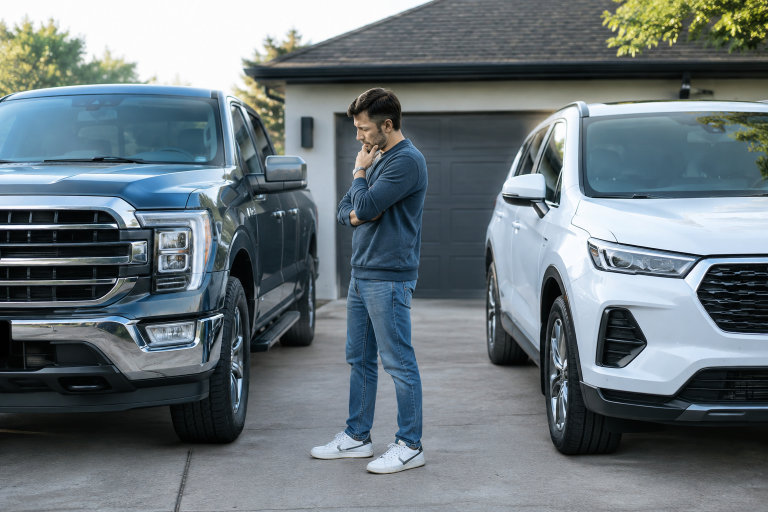
Choosing between a pickup and an SUV is easier when the decision starts with your routine instead of a badge, an image, or a maximum towing number. Drivers asking is SUV a truck are usually trying to understand more than terminology. They want to know which body style will handle work, family responsibilities, road trips, parking, weather, and ownership costs with the fewest compromises.
A pickup can be an excellent tool for frequent hauling, towing, and dirty jobs. An SUV can be a more convenient all-purpose vehicle for people who need protected cargo space and comfortable passenger access every day. The better choice is the one that suits the tasks you do most often, while still leaving room for the occasional bigger job.
Start With A Typical Week
Write down a normal week before comparing listings. Include commute distance, regular passengers, groceries, sports gear, tools, pets, parking spaces, garage dimensions, and the roads you use most. Then list the jobs that happen only a few times a year, such as moving furniture or buying lumber. A vehicle should be comfortable for everyday life, not just impressive during an occasional project.
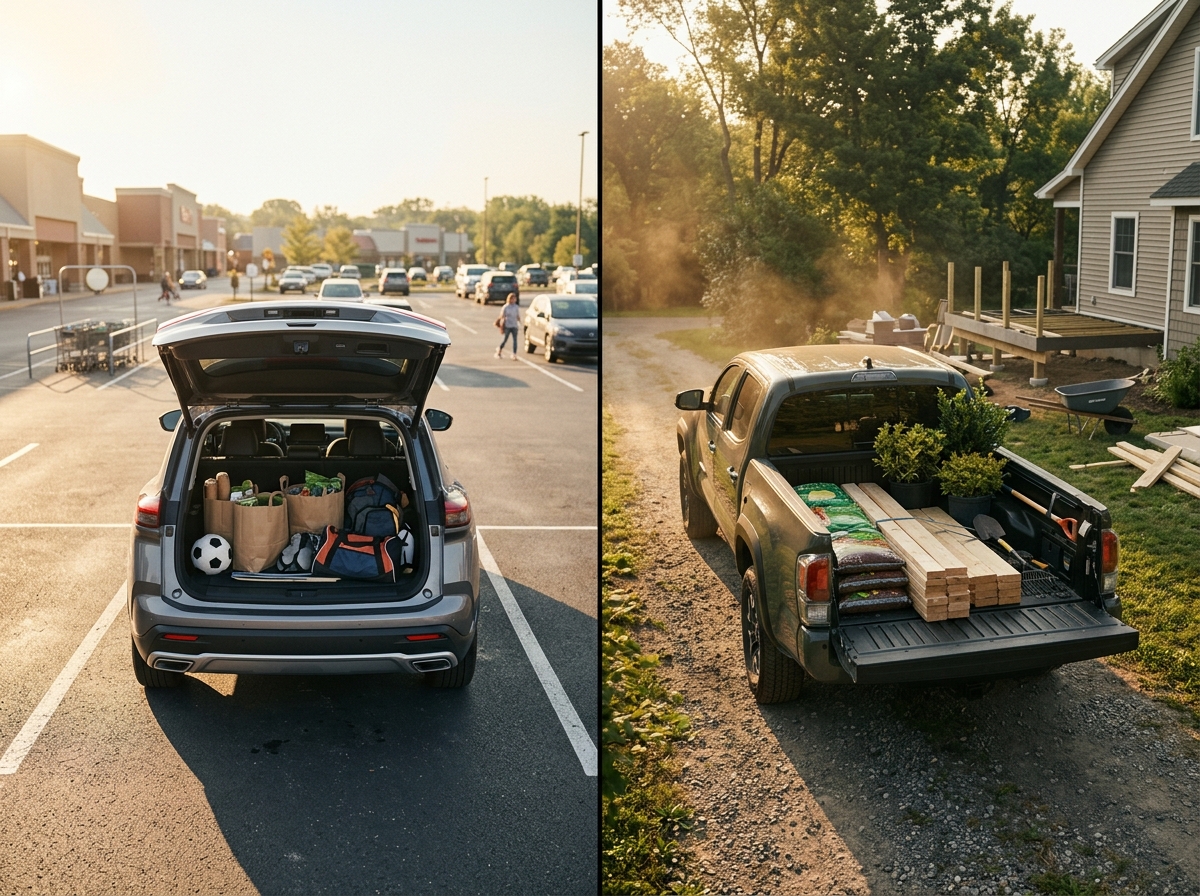
For example, a driver who commutes 40 miles each weekday and carries home-improvement supplies twice a year may be better served by an SUV with fold-flat seats, roof rails, or occasional access to a trailer. A contractor who loads tools and materials several days each week has a stronger case for a pickup.
Look Past The Badge And Body Style
Construction And Size Matter
Many crossovers use unibody construction, where the body and frame are integrated. This design often supports a more car-like driving experience. Many traditional pickups and larger SUVs use body-on-frame construction, which can be well-suited to demanding towing, hauling, and off-road use. Neither layout is automatically better. The right one depends on the vehicle’s ratings and your needs.
Do not compare every truck against every SUV as if they were direct alternatives. A compact pickup, a midsize SUV, a full-size truck, and a three-row SUV can differ greatly in exterior length, passenger space, payload capacity, and towing capacity. Compare vehicles in a similar size and capability class.
Compare Cargo And Passenger Needs
Where A Pickup Bed Wins
An open bed is useful for mulch, gravel, muddy boots, power equipment, tall plants, and awkward materials that do not fit easily through a liftgate. It also keeps dirty or fuel-smelling gear outside the passenger cabin. Bed length, tie-down points, bed covers, and tailgate design can make a major difference in real usefulness.
Where An SUV Wins
An SUV keeps luggage, groceries, electronics, and sporting equipment protected from rain and out of plain sight. Folding seats can create a flat, enclosed load area without requiring occupants to unload the cargo first. For many families, that combination of secure storage and easy rear-seat access is more useful than an open bed.
- Passenger capacity: SUVs frequently prioritize enclosed seating and rear-cabin access.
- Cargo protection: SUVs protect gear from weather, while pickups may need a cover or cargo box.
- Dirty or oversized loads: Pickups generally make these items simpler to transport.
- Loading: Check lift-over height, tailgate reach, rear opening size, and ease of securing cargo.
Match Towing Ability To Real Loads
Never choose a tow vehicle based solely on a trailer’s empty weight. Use the trailer’s loaded weight, then account for passengers, fuel, cargo, hitch equipment, and tongue weight. Check the exact vehicle owner information and ratings, as towing capacity can vary with the engine, drivetrain, axle ratio, cab configuration, and factory equipment.
Payload is equally important. It covers the weight carried in the vehicle, including people and cargo, as well as trailer tongue weight in many towing situations. Leave a practical margin rather than planning to operate at the published limit on every trip.
Think About Daily Driving Comfort
Test-drive the vehicles on roads similar to your commute. Pay attention to ride quality when empty, steering effort, turning radius, outward visibility, road noise, and ease of use in a parking garage or drive-through. A larger vehicle can be manageable, but it demands more attention in tight spaces.
Also, check how children, older adults, and frequent passengers enter and exit. Look at the rear door opening size, step-in height, rear legroom, car seat access, and the number of seating positions that work for your household.
Estimate Fuel And Ownership Costs
Compare fuel economy and annual operating costs using your actual mileage, not a best-case estimate. Larger tires, four-wheel drive, heavy accessories, towing, and cargo can affect real-world consumption. The federal fuel-cost calculation method is simple: divide the fuel price by miles per gallon, then multiply by miles driven.
Budget beyond fuel. Insurance premiums, replacement tires, brakes, maintenance, registration, accessories, and financing can all change the long-term picture. A less expensive vehicle can still cost more to own if it uses substantially more fuel or requires costly equipment for the way you use it.
Check Safety And Driver Assistance Features
Evaluate safety by the exact model year and configuration, not by assuming that every truck or SUV performs the same. Review available crash information, recalls, visibility, head restraints, child-seat access, and standard versus optional driver-assistance equipment. The vehicle safety ratings from the National Highway Traffic Safety Administration can help buyers compare eligible vehicles and review recall information.
Useful features may include automatic emergency braking, blind-spot monitoring, rear cross-traffic alert, parking cameras, and trailer-view or trailer-alignment tools. These technologies can assist the driver, but they do not replace attention, safe following distance, or proper loading.
Find The Best Fit For Your Lifestyle
Commuters And Families
An SUV may be the best fit when parking ease, enclosed cargo space, rear-seat comfort, and road-trip practicality are priorities. Families should test child-seat installation, third-row access (if needed), and the amount of cargo space remaining when all seats are occupied.
Tradespeople, Homeowners, And Outdoor Drivers
A pickup can be the practical choice for hauling tools, landscaping supplies, and jobsite equipment, as well as for regular trailer use. Outdoor drivers should consider ground clearance, recovery points, tires, cargo protection, roof storage, and whether they truly need a truck bed. In snowy or rural areas, suitable tires and careful driving remain important regardless of whether the vehicle has all-wheel drive or four-wheel drive.
Use A Simple Decision Test Before Buying
- List the three jobs the vehicle must handle every week.
- Record the heaviest cargo load or fully loaded trailer used in a typical year.
- Count regular passengers and measure common bulky items.
- Estimate yearly mileage and total operating costs.
- Choose the smallest vehicle that meets those needs with a reasonable margin.
Give each finalist a score from one to five for comfort, cargo flexibility, towing, fuel use, parking, safety features, and expected long-term cost. The model with the best total is often the better fit, even if it does not have the biggest bed, the most seats, or the highest towing rating.
Alex

Hi, I am Alex ; I am an entrepreneur, father, mentor, and adventurer passionate about life. At this moment, I am writing about business and lifestyle ideas.










Post Comment