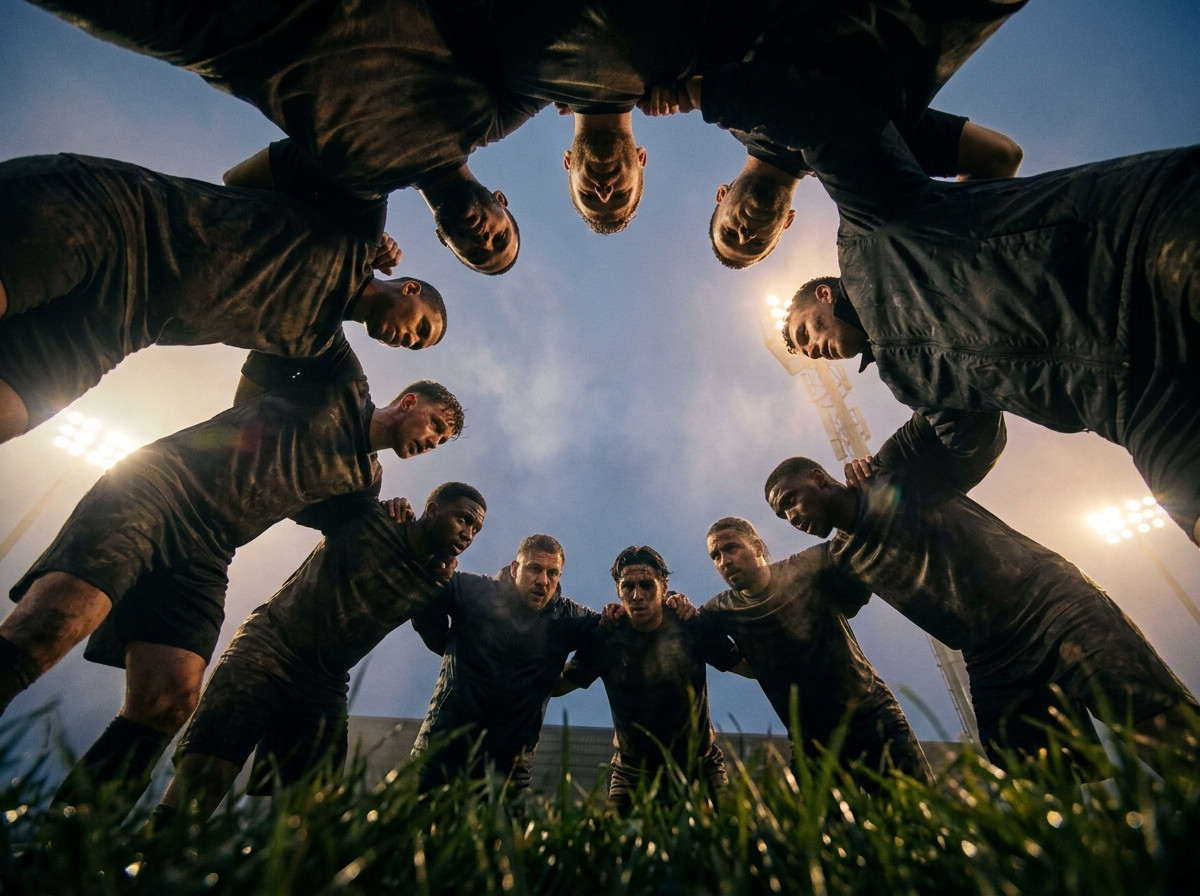
How Football Stories Can Build Better Teams
Key Takeaways
- Football stories can make leadership lessons easier to remember and discuss.
- Dependable teams need clear roles, shared goals, preparation, and open communication.
- Team chemistry involves trust and fit, not simply having the most talented individuals.
- Stories work best when they lead to an honest conversation and one practical next step.
- Sports examples should support real planning, not replace it with motivational language.
Football gives people a familiar way to talk about preparation, pressure, leadership, and shared responsibility. Whether a group works in an office, classroom, nonprofit, or community setting, the right story can make an abstract team lesson easier to picture and discuss. Organizations planning a workshop or event can learn more about football speakers whose experiences may help introduce these conversations. The point is not to pretend every workplace is a locker room. It is to use a clear example to help people examine how they communicate, respond to setbacks, and contribute to a common goal. A good football story creates a useful starting point, then turns attention back to the team in the room.
Why Stories Work In Team Training
People can recognize a team problem more easily when it appears in a story. A football example has a setting, a challenge, decisions, and consequences. Instead of beginning with a vague instruction to “improve accountability,” a leader can describe a missed assignment, a communication breakdown, or a player stepping up after an error. The group can then identify the behavior that mattered. For example, consider the difference between a team that waits for one star performer to rescue it in every difficult moment and a team in which every person understands their role. The first group may produce occasional moments. Formal highlights, but the second has a more repeatable way to work. That contrast applies to project teams, volunteer committees, and student groups just as readily as it applies to football.
Football Lessons That Apply To Any Team
Clear Roles Reduce Confusion
Football players need to know their assignment and how it connects to everyone else’s. Teams outside sports benefit from the same clarity. Define who owns a task, who provides input, who makes the final decision, and when someone should raise a concern. Clear ownership prevents duplicated work and helps people act without waiting for unnecessary approval.
Preparation Builds Confidence
Practice does not guarantee a perfect result, but it gives people a better response when conditions change. In a workplace, preparation can mean reviewing a client meeting, testing a process, rehearsing a presentation, or discussing likely obstacles before a launch. Confidence grows when people have had a chance to prepare, ask questions, and receive useful feedback.
Small Details Add Up
Many team outcomes are shaped by ordinary habits rather than dramatic speeches. Showing up ready, sharing an update before a deadline, documenting a decision, and following through on a promise all make a group more dependable. Leaders should notice these behaviors because they create the foundation for trust.
Leaders Set The Tone
Leaders influence a team through visible standards. Calm communication under pressure, a willingness to admit an error, and consistent follow-up show people what is expected. Research and commentary on coaching, mentorship, and leadership lessons learned from professional football also emphasize the role of team standards and culture in sustained performance.
Setbacks Need A Response Plan
Every team misses a target at some point. The useful question is not simply, “Who caused this?” It is, “What happened, what can we control, and what will we do differently next time?” A brief review that focuses on facts, learning, and a specific adjustment can strengthen accountability without creating a blame culture.
Why Team Chemistry Matters
Team chemistry is more than friendliness. It includes trust, communication, complementary strengths, and a shared understanding of the goal. A group can have talented individuals and still struggle if members do not exchange information, respect one another’s contributions, or understand how their work fits together. A University at Buffalo report on how team members fit together describes chemistry as a measurable, evolving resource. For leaders, the practical lesson is simple: pay attention to how people collaborate, especially when a team is new, roles are changing, or a major project is beginning. Onboarding, early relationship-building, and clear expectations deserve real time. Strong chemistry does not require everyone to think alike. A dependable team often combines diverse skills and perspectives while creating enough common ground to coordinate effectively. Leaders can support that balance by inviting quieter contributors into discussions, explaining why decisions were made, and addressing tension before it becomes avoidance.
How To Use Football Stories Well
- Choose one lesson. Focus on communication, preparation, trust, resilience, or accountability.
- Keep the story brief. A few relevant details are enough. The discussion matters more than retelling an entire season.
- Ask a direct question. Try, “Where do we see this challenge in our own work?”
- Connect it to a current situation. Relate the lesson to a project, event, transition, or recurring team obstacle.
- Agree on one action. Finish with a behavior the group will practice before the next meeting.
Stories become useful when they create participation. A facilitator does not need to deliver a lengthy speech. Share the example, leave space for people to interpret it, and guide the conversation toward a decision the group can carry into daily work.
A Simple Format For A Team Event
A manager, teacher, coach, or event planner can use this simple structure for a 30- to 45-minute session:
- Open with one question: “What makes a team dependable when pressure rises?”
- Share a short football story: Link it directly to the day’s theme.
- Use small-group discussion: Ask participants to identify a similar issue in their own setting.
- Create an action plan: Have each group choose one behavior to improve.
- Schedule follow-up: Revisit the commitment in two or four weeks and discuss what changed.
Helpful Discussion Prompts
- Which habit helps our team trust one another?
- Where do unclear roles slow our progress?
- How do we respond when we miss a goal or make a mistake?
- Whose perspective would improve our decisions if we made more room to hear it?
Common Mistakes To Avoid
- Do not assume every participant follows football or enjoys sports.
- Do not present winning as the only meaningful measure of success.
- Do not compare employees, students, or volunteers to athletes in a way that creates embarrassment or pressure.
- Do not rely on a famous story without explaining its connection to the group’s actual challenge.
- Do not substitute inspiration for clear responsibilities, resources, and planning.
- Do not ignore differences in culture, ability, experience, or personal interest.
Questions Leaders Should Ask
Do Football Lessons Work For Non-Sports Teams?
Yes, when the lesson addresses a real team issue. Football is only the frame. The transferable ideas involve preparation, communication, shared responsibility, and people’s responses under pressure.
How Long Should A Sports Story Be?
Keep it short enough to leave room for discussion. The goal is to help people recognize a behavior they can apply, not to provide a complete history of a game or season.
Can A Team Use These Ideas Without A Guest Speaker?
Yes. A team leader can introduce a short example, ask two or three focused questions, and help the group choose one action. Consistent follow-up matters more than a polished presentation.
How Can Leaders Measure Results?
Look for practical signs of improvement, such as stronger follow-through, fewer repeated misunderstandings, more useful participation in meetings, better peer feedback, and progress on the actions the team selected.
Final Thoughts
Football stories can make team lessons memorable because they show people working toward a shared goal under visible pressure. They highlight how preparation, communication, discipline, and trust can influence a team’s response to challenges. Moments involving setbacks, disagreements, missed opportunities, or unexpected changes can also show why flexibility and support matter when progress becomes difficult. However, the real value of these stories lies in what happens after they end. When leaders pair an honest example with thoughtful questions, meaningful discussion, and a specific next step, teams can connect the lesson to their own experiences. They might identify ways to communicate more clearly, support colleagues, respond constructively to mistakes, or take greater responsibility for shared goals. By turning inspiration into practical action, leaders can help build stronger trust, better collaboration, and more dependable work habits that continue beyond the event.
Alex

Hi, I am Alex ; I am an entrepreneur, father, mentor, and adventurer passionate about life. At this moment, I am writing about business and lifestyle ideas.











Post Comment