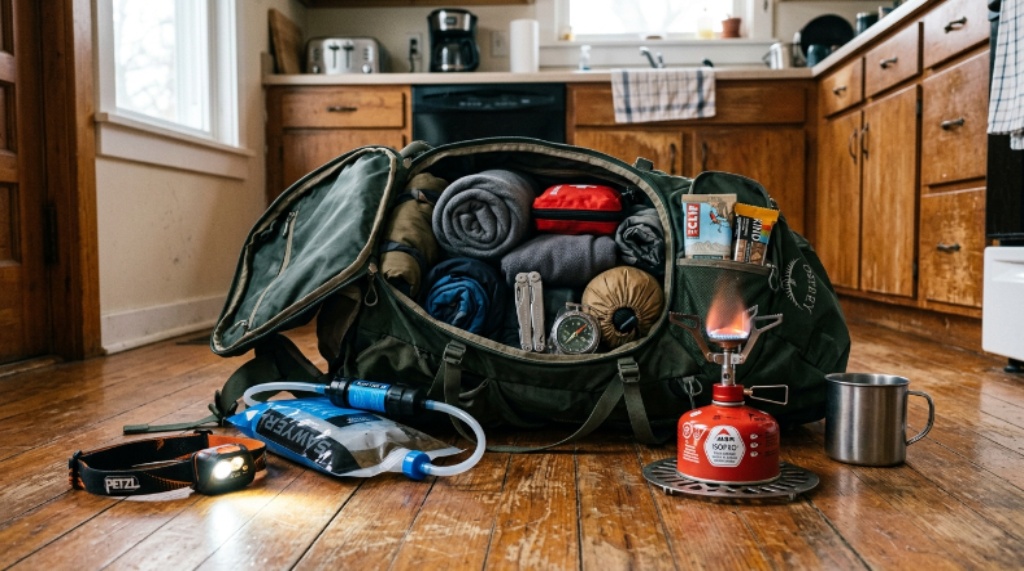
How to Use Camping Tools as Backup Emergency Gear at Home
Most people own camping gear that sits in a closet or garage for most of the year. It comes out for a weekend trip, then disappears again until next summer. However, those same tools have a second life that most people never consider. Camping gear is designed to work without electricity, running water, and modern conveniences. That makes it surprisingly well-suited for home emergencies.
Power outages, storms, floods, and other unexpected events can disrupt daily life quickly. When that happens, the tools you use in the wilderness can keep your household safe and functional. This article explains how to bridge the gap between outdoor adventure gear and practical home preparedness.
Why Camping Gear Makes Sense for Home Emergencies
Camping equipment is built for conditions where nothing is guaranteed. Manufacturers design it to be lightweight, durable, and self-sufficient. Those same qualities are exactly what you need when normal life stops working.
Think about what happens during a power outage. You lose light, the ability to cook, access to heat, and sometimes communication. A person who camps regularly already owns solutions to every one of those problems. Therefore, making camping tools part of your indoor emergency tools plan is not just practical. It is one of the smartest moves a prepared household can make.
Additionally, camping gear is generally compact and easy to store. It does not take up much space, and it is already organized for portability. That means you can access it quickly when time matters.
Essential Camping Tools That Work as Home Emergency Equipment
Not every piece of camping gear translates smoothly to home use. However, many core items work beautifully in both settings. Here is a breakdown of the most useful ones.
Headlamps and Portable Lanterns
A headlamp is one of the most versatile tools ever made. It keeps your hands free while providing focused light in any direction. During a home power outage, headlamps outperform candles and flashlights in almost every situation. They are safer, brighter, and more comfortable to wear for extended periods.
Portable camping lanterns add ambient light to a room. Modern LED lanterns run for hours on a single charge or set of batteries. Some even have solar charging panels, which means they stay useful even during long outages. Therefore, if you own a camping lantern, move it somewhere accessible in your home right now.
Portable Camp Stoves
A camp stove is arguably the most important piece of backup gear a household can own. When the power goes out, electric stoves and ovens stop working. If you have a gas line, you may still cook. However, many homes rely entirely on electricity for cooking.
A small butane or propane camp stove solves that problem immediately. It requires no electricity, no installation, and no special skills to operate. You can boil water, heat canned food, and cook simple meals without any disruption. Always use camp stoves in a well-ventilated space or near an open window to prevent carbon monoxide buildup.
Water Filtration Systems
Clean water is the most critical need during any emergency. Municipal water supplies can become compromised after floods, earthquakes, or infrastructure failures. Camping water filters handle this problem effectively.
Devices like squeeze filters, gravity filters, and pump filters remove bacteria and protozoa from water sources. Some advanced filters also remove viruses. If you store one of these in your emergency kit, you gain access to safe drinking water from almost any source, including tap water that may have become questionable during a crisis.
Additionally, water purification tablets are lightweight and inexpensive. They make an excellent companion to a physical filter and take up almost no space at all.
Multi-Tools and Folding Knives
Every camper knows the value of a good multi-tool. It combines pliers, screwdrivers, blades, saws, and bottle openers into a single compact device. At home during an emergency, that versatility becomes even more valuable.
You may need to cut rope, tighten a loose fastening, open canned goods without a traditional opener, or make quick repairs. A multi-tool handles all of those tasks without requiring a full toolbox. Therefore, keeping one in your emergency kit at home makes good sense.
Mylar Emergency Blankets
Campers use mylar blankets when temperatures drop unexpectedly. These thin, reflective sheets trap body heat and weigh almost nothing. However, they are just as useful at home.
If your heating system fails during winter, a mylar blanket can prevent hypothermia. They are also useful for wrapping injured people to prevent shock. A pack of four or five costs very little and stores in a small pouch. Every household should have them as part of their indoor emergency tools supply.
How to Organize Your Camping Gear for Home Emergency Use
Owning the right gear is only part of the solution. Organization matters just as much. If your camping equipment is scattered across multiple bags, shelves, and storage areas, it will be difficult to find during a stressful situation.
Consider creating a dedicated emergency bin or backpack. Keep it in an accessible location, such as a hallway closet, garage shelf, or under-bed storage area. Place the most critical items, like your headlamp, water filter, and multi-tool, near the top.
Check the bin every six months. Replace used batteries, refill fuel canisters, and rotate any food supplies. A well-maintained emergency kit is only valuable if it works when you need it.
Furthermore, label everything clearly. If another family member needs to access the kit, they should be able to identify each item quickly without prior knowledge of your camping gear.
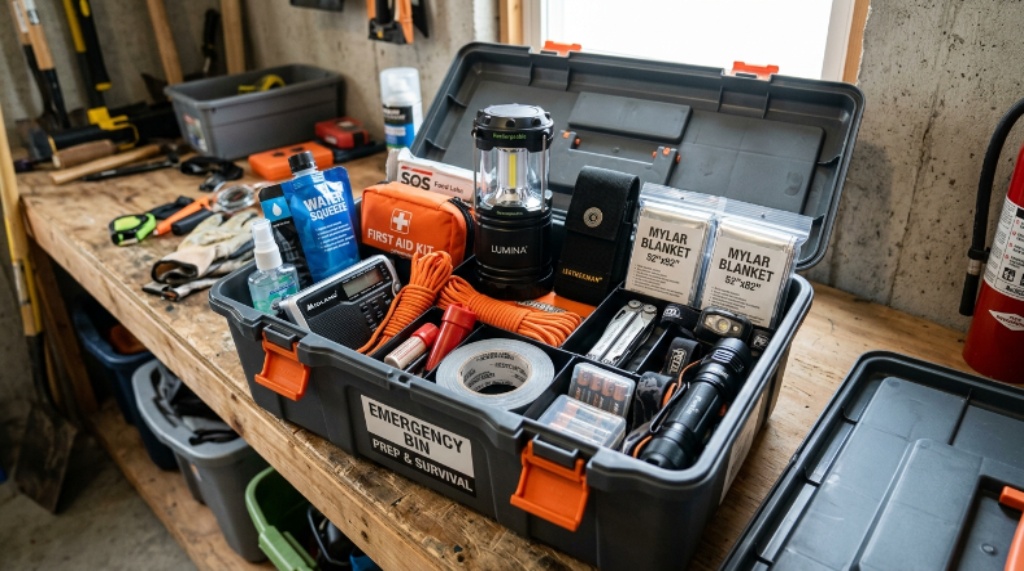
Additional Camping Items Worth Including in Your Emergency Plan
Beyond the essentials listed above, several other camping tools add real value to your home preparedness plan.
- First aid kits: Camping first aid kits are compact and well-stocked. They cover cuts, burns, sprains, and basic wound care. Keep one in your emergency bin and another in your vehicle.
- Firestarters: Waterproof matches, lighters, and fire cubes are essential backup gear for homes with fireplaces or fire pits. They also serve as morale boosters during stressful situations.
- Portable power banks: Solar-powered camping chargers keep phones and devices running without electricity. Communication during an emergency is critical, and a charged phone gives you access to alerts, maps, and contacts.
- Paracord: This incredibly strong and lightweight rope has dozens of uses. You can use it to tie down tarps, create a makeshift clothesline, secure objects during transport, or build a shelter extension if needed.
- Compact folding shovels: These tools help with debris clearance, digging drainage channels around a flooded area, or moving soil and ash around a controlled fire.
Preparing Your Family to Use the Gear
Owning the right tools is not enough. Your family needs to know how to use them. Practice matters, especially for children and older family members.
Run a simple drill once a year. Turn off the lights, pull out the emergency kit, and walk through how each tool works. Show everyone how to light the camp stove, use the water filter, and wear a headlamp correctly. These small practice sessions build confidence and reduce panic during a real emergency.
Additionally, teach family members where the kit is stored. A tool that nobody can find is no tool at all. Make sure even the youngest capable member of your household knows its location.
Conclusion
Camping tools are far more than outdoor accessories. When treated as backup gear for the home, they become a practical and affordable layer of emergency preparedness. A camp stove covers your cooking needs. Headlamps and lanterns replace electrical lighting. Water filters ensure safe drinking water. Multi-tools handle quick repairs. Mylar blankets protect against dangerous cold.
However, the gear only works if it is organized, maintained, and accessible. Build a dedicated emergency kit, run practice sessions with your family, and check the contents twice a year. The overlap between camping and emergency preparedness is larger than most people realize. Therefore, making use of what you already own is the smartest first step toward keeping your household safe when it matters most.
Frequently Asked Questions
Can camping tools really replace dedicated emergency gear at home?
Yes, in many cases they can. Camping tools are designed for self-sufficient, off-grid use. That makes them naturally suited for home emergencies when power and utilities fail. Many preppers and emergency experts recommend camping gear as a cost-effective starting point.
Is it safe to use a camp stove indoors during an emergency?
You should never use a camp stove in a fully enclosed space. However, using it near an open window, in a garage with the door open, or on a covered porch is generally safe. Always ensure adequate ventilation to prevent carbon monoxide buildup.
How often should I check and update my emergency kit?
Twice a year is a good rule of thumb. Many people tie this to daylight saving time changes as a reminder. Check batteries, fuel levels, expiration dates on food and medicine, and the condition of all tools during each inspection.
What is the most important single item to include in a home emergency kit?
Clean water access is the most critical need. A portable camping water filter ensures you can make water safe to drink from multiple sources. Additionally, storing at least one gallon of water per person per day for three days provides a reliable short-term supply.
How much does it cost to build a camping-based emergency kit at home?
A solid basic kit can cost between fifty and one hundred fifty dollars, especially if you already own some camping gear. Prioritize a headlamp, camp stove, water filter, multi-tool, and first aid kit. Build the kit gradually over several months if the upfront cost feels high.









Post Comment