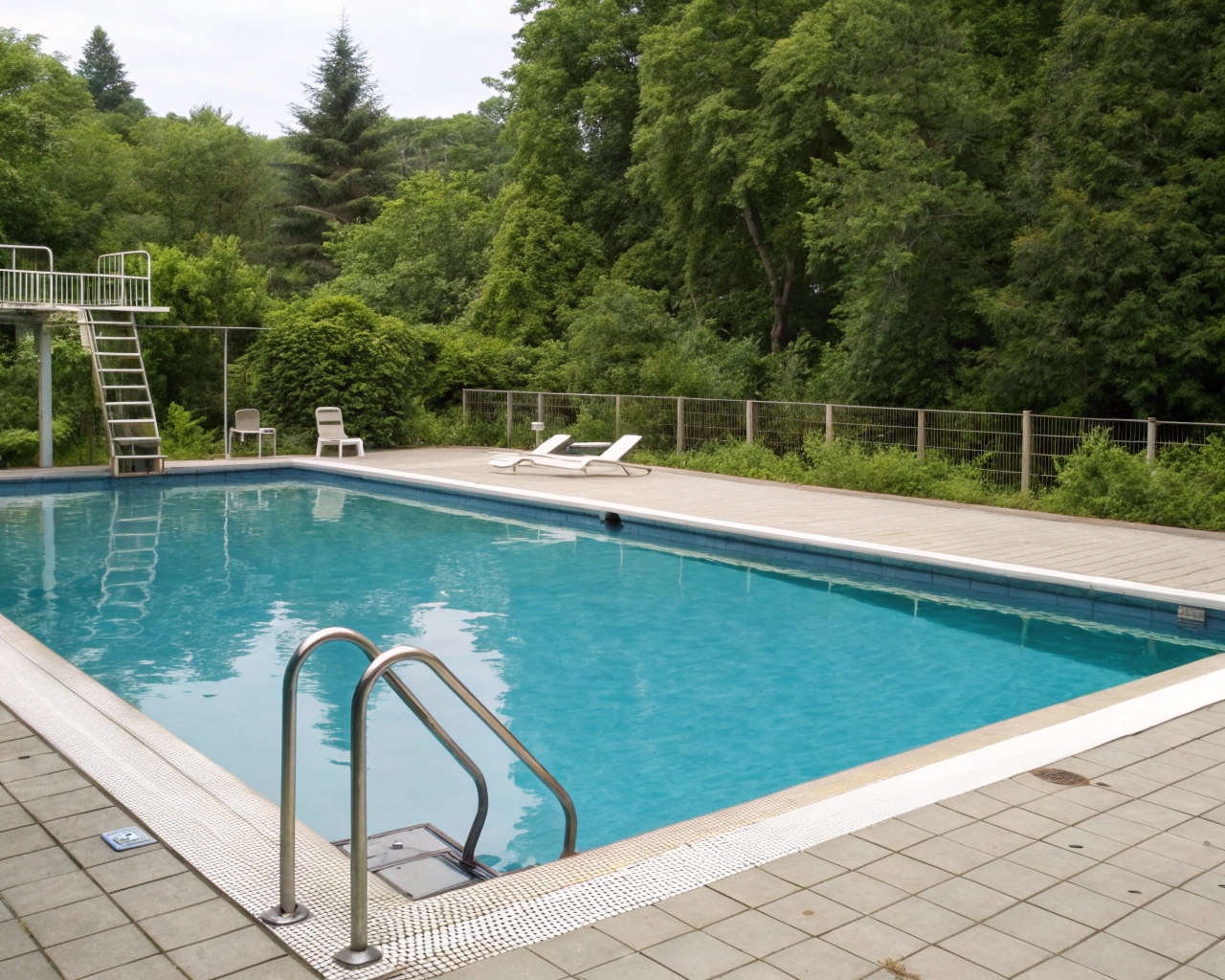
Year-Round Pool Safety and Maintenance: Essential Practices for Every Season
Taking care of a swimming pool requires ongoing attention, regardless of the time of year. Swimming pool owners in the Charlotte, NC area and beyond understand the value of consistent upkeep, not only for enjoyment but also for safety and longevity. Whether you own a backyard pool or manage a neighborhood amenity, using professional pool services can help ensure your pool remains safe and inviting for everyone who uses it.
A well-maintained pool is a source of relaxation, fun, and social gathering. However, neglecting routine care may result in health hazards, costly repairs, and a less enjoyable swimming experience. As you develop a maintenance routine, keeping safety as your top priority will help you enjoy all the benefits of pool ownership for years to come.
Many modern pool owners are turning to scheduled pool maintenance plans as part of their strategy for keeping water clean and systems running smoothly. Incorporating expert support can help prevent small issues from turning into larger problems.
Regular Skimming and Cleaning
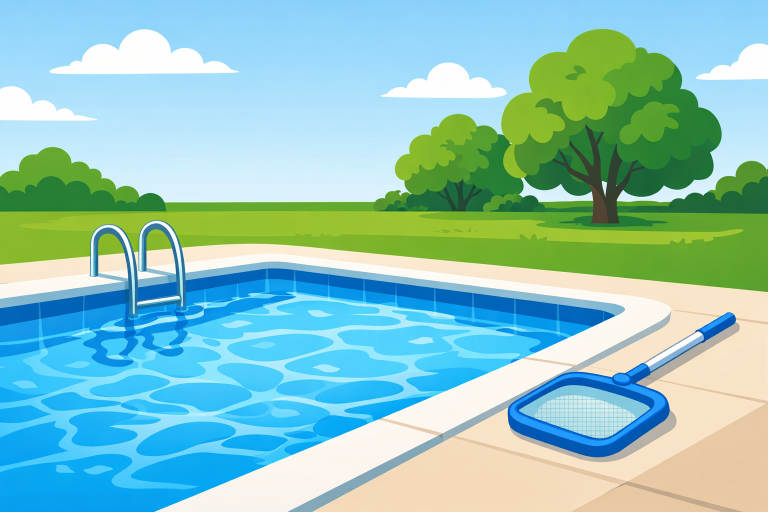
Skimming the pool’s surface daily is one of the simplest and most effective maintenance tasks. Removing leaves, insects, and other floating debris helps prevent organic matter from breaking down and discoloring the water. This small effort also reduces the likelihood of algae developing and keeps the pool visually appealing. In addition to skimming, vacuum the pool floor and brush the walls and tiles weekly. These extra steps remove dirt and organic material that may have settled or clung to surfaces, stopping stains or algae from taking hold.
Balancing Water Chemistry
Pool water balance keeps the swimming environment comfortable and safe for users. Incorrect water chemistry can lead to skin and eye irritation, equipment corrosion, and increased risk of germs. The three most important parameters are pH, alkalinity, and chlorine. Ideal levels for pH are between 7.4 and 7.6, alkalinity should remain between 80 and 120 parts per million (ppm), and chlorine for standard residential pools should be kept between 1 and 3 ppm.
Using water test strips or kits at least twice per week can help ensure your pool chemistry stays within safe ranges.
Seasonal Maintenance Tips
Different seasons bring unique challenges for pool upkeep. Here’s how you can adjust your maintenance routine throughout the year:
- Spring: Begin the season by removing your pool cover, cleaning the pool thoroughly, and adjusting water chemistry. Inspect all equipment for winter damage and start the pump and filtration system to prepare for increased use.
- Summer: As the pool gets more use, increase water testing frequency and clean filters more often. Make sure the pump runs for an adequate amount of time each day to keep the water circulating and filtered efficiently.
- Fall: This season often brings falling leaves and increased debris from trees. Skim more frequently, vacuum as needed, and consider placing a pool cover on the pool during periods of non-use to cut down on maintenance time.
- Winter: If you live in a colder climate, winterize the pool by lowering the water level, adding special chemicals, and securely covering the pool. This protects your investment from freeze damage and keeps contaminants at bay until spring.
Safe Handling of Pool Chemicals
Pool chemicals must be managed carefully. Always read and follow manufacturer instructions. Store chemicals in their original containers in a cool, dry place away from direct sunlight and out of reach of children and pets. Wear gloves and protective eyewear when handling pool chemicals, and never mix chemicals unless specifically instructed. Mishandling pool chemicals can lead to dangerous reactions, injuries, or harmful fumes.
Preventing Drowning Incidents
Water safety should always remain at the forefront. Teach all family members and frequent guests basic swimming skills, and supervise children closely whenever they are near the pool. Safeguard the area with four-sided fencing equipped with self-closing and latching gates. Additionally, make sure rescue equipment is easily accessible and ensure someone on site knows CPR. Tragically, drowning remains one of the leading causes of accidental death in young children, so following these precautions can save lives. The CDC’s guidelines for keeping your pool safe and healthy provide more details for pool owners.
Equipment Care and Maintenance
Regular inspection and maintenance are vital for pumps, filters, and heaters. Clean or replace the filter according to the manufacturer’s directions and check all connections for leaks. Listen for unfamiliar sounds coming from equipment, as these could signal wear or malfunction. Preventative care prolongs the lifespan of your pool systems and keeps everything running efficiently.
Addressing Weather-Related Challenges
Weather events can have a big impact on pools. After heavy rain, test and rebalance water chemistry quickly, as rainfall may dilute chemicals or introduce contaminants. During heatwaves, keep an eye on water levels and check for increased evaporation. In storm-prone regions, secure loose items around the pool and use a cover to minimize debris and potential damage. Adapting your pool care to local weather conditions protects both swimmers and your investment.
Conclusion
A safe, sparkling pool is the result of regular care, attention to detail, and being prepared for seasonal changes and weather events. By establishing a structured routine and following established safety guidelines, your pool can remain a place of enjoyment, exercise, and relaxation for your entire family and guests throughout the year.
Alex

Hi, I am Alex ; I am an entrepreneur, father, mentor, and adventurer passionate about life. At this moment, I am writing about business and lifestyle ideas.









Post Comment