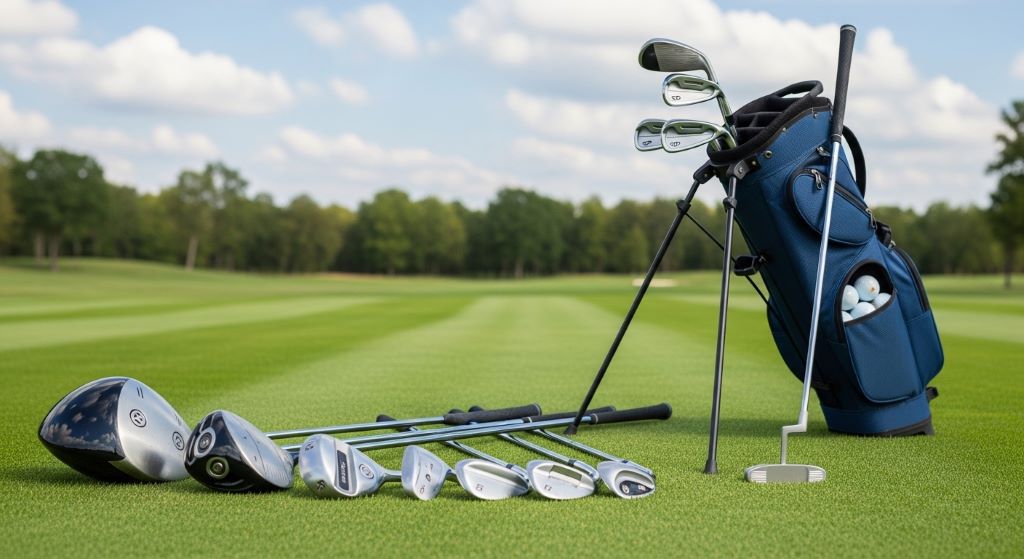
How to Pick a Complete Golf Set Without Wasting Money
Golf is one of those sports that looks simple from the outside. However, once you step onto the course, you quickly realize how much your equipment matters. Choosing the right set of clubs can make the difference between enjoying the game and feeling completely lost.
The good news is that you do not need to spend a fortune to get started. Many players make the mistake of buying too much too soon. They end up with clubs they cannot use or gear that does not match their skill level. Therefore, understanding what you actually need before you buy is the smartest move you can make.
This guide will walk you through everything you need to know. By the end, you will feel confident choosing clubs that fit your game, your budget, and your long-term goals.
Why the Right Equipment Matters From Day One
Your clubs directly affect how you play. A club that is too heavy, too long, or poorly balanced will make learning much harder. Additionally, the wrong equipment can lead to bad habits that take years to correct.
New golfers often underestimate this. They borrow a friend’s old clubs or pick up random pieces without thinking about how they all work together. However, a matched set is designed to feel consistent from club to club. That consistency helps you build muscle memory and improve faster.
When your equipment fits your body and your swing, golf becomes more enjoyable. You hit better shots. You make more progress. Therefore, investing a little time in research before you buy will save you money and frustration down the road.
How Many Clubs Do You Actually Need?
The rules of golf allow up to 14 clubs in your bag. However, beginners rarely need that many. In fact, starting with fewer clubs is often better. It simplifies your decisions on the course and helps you focus on learning the basics.
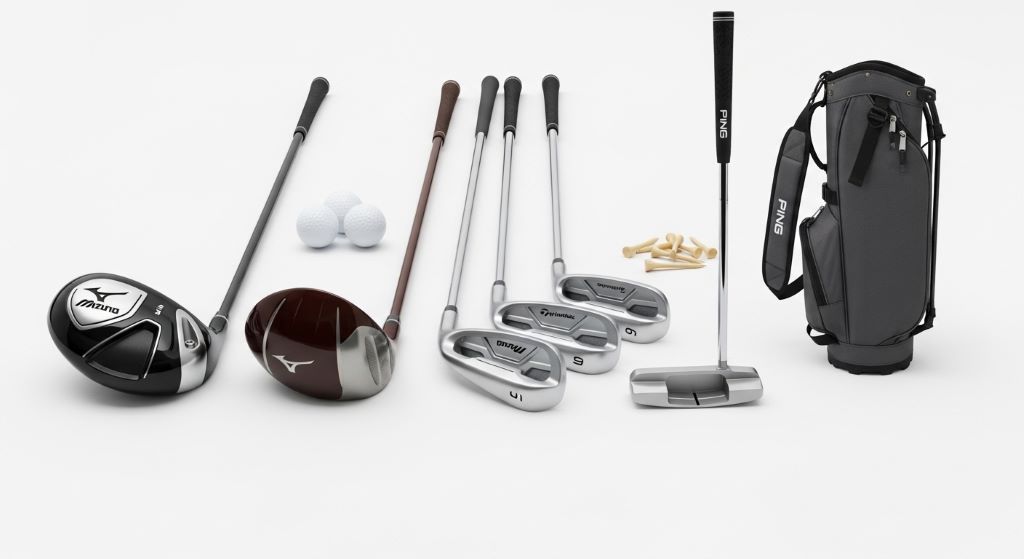
A basic set for a beginner typically includes a driver, a fairway wood, a hybrid, a few irons, a wedge, and a putter. That is roughly 9 to 11 clubs. This range covers almost every situation you will face as a new golfer. Furthermore, it keeps costs manageable and your bag lighter.
As your skills improve, you can add clubs that address specific weaknesses in your game. However, when you are just starting out, simplicity is your best friend. More clubs do not automatically mean better golf.
Understanding the Different Types of Clubs
Before you buy anything, it helps to know what each type of club does. Each one serves a specific purpose on the course.
Drivers
The driver is the longest club in the bag. It is used to hit the ball as far as possible from the tee. Beginners should look for a driver with a large clubhead and a high loft angle. These features make it easier to get the ball airborne. A forgiving driver will also reduce the impact of off-center hits.
Fairway Woods
Fairway woods are versatile clubs. You can use them off the tee or from the fairway when you need distance. They are easier to hit than a driver and very useful for long shots. A 3-wood or a 5-wood is a great addition to any beginner’s bag.
Hybrids
Hybrids are a cross between irons and fairway woods. They are much easier to hit than long irons, making them perfect for beginners. Most new players struggle with 3 and 4 irons. Therefore, replacing those with hybrids is a smart and practical choice.
Irons
Irons are used for approach shots, typically from the fairway or rough. They come in numbered sets, usually from 3 to 9. Higher-numbered irons hit shorter but more accurate shots. For beginners, a set that includes a 6-iron through 9-iron is a great starting point.
Wedges
Wedges are short irons designed for specific situations. A pitching wedge is essential for approach shots close to the green. A sand wedge helps you escape bunkers. Additionally, a gap wedge gives you more control for mid-distance shots. Having at least two wedges in your bag is highly recommended.
Putters
The putter is arguably the most important club in your bag. You will use it on every single hole. There are many styles to choose from. A mallet putter is forgiving and easy to align, making it a popular choice for beginners. Try a few before you decide — feel matters a lot with putting.
What to Look for in a Complete Golf Set
When shopping for a full set, there are several key factors to consider. Paying attention to these details will help you avoid wasting money on the wrong equipment.
Club Material and Construction
Most beginner clubs are made from stainless steel or graphite. Steel shafts are heavier and more durable. Graphite shafts are lighter and help generate more swing speed. Women and seniors typically benefit more from graphite shafts. Men with faster swing speeds may prefer steel. Either way, both materials work well for new players.
Clubhead Design
Look for clubs with a wide sole and a large sweet spot. These features make off-center hits more forgiving. Cavity-back irons, for example, distribute weight around the edges of the clubhead. This design helps the ball travel straighter even when your contact is not perfect.
Shaft Flex
Shaft flex refers to how much the shaft bends during your swing. The right flex depends on your swing speed. Beginners with slower swings typically do better with a regular or senior flex. A shaft that is too stiff will reduce distance and control. Therefore, matching flex to your swing is an important step many beginners overlook.
Grip Size and Comfort
Grips are often ignored, but they matter more than most people think. A grip that is too thin or too thick can affect your shot shape and accuracy. Standard grips fit most players, but if you have large or small hands, you may need a different size. Additionally, worn-out grips can cause you to grip the club too tightly, which leads to tension and poor shots.
Bag Included
Many complete sets come with a bag. This is convenient and cost-effective. However, make sure the bag is practical for how you plan to play. If you plan to walk the course, a lightweight stand bag is ideal. If you prefer to ride in a cart, a cart bag with more storage may suit you better.
New vs. Used Golf Clubs: Which Is Better?
This is one of the most common questions among new golfers. The honest answer is that both options can work well. It depends on your goals and your budget.
Buying new clubs gives you access to the latest technology. You also get a warranty and the peace of mind that everything is in perfect condition. Additionally, many retailers offer fitting services when you buy new, which can help you choose the right specifications.
However, buying used clubs is a great way to save money. Many experienced golfers sell their barely-used equipment when they upgrade. You can find high-quality clubs at a fraction of the original price. Therefore, if budget is a concern, the used market is worth exploring. Just inspect the clubs carefully before you buy. Check for cracks, rust, and worn grooves.
Setting a Realistic Budget
Golf equipment ranges from very affordable to extremely expensive. As a beginner, you do not need to spend top dollar. A solid golf clubs set designed for new players can be found for anywhere between $200 and $500. This price range gives you reliable, forgiving clubs without an unnecessary premium.
Spending more does not always mean playing better. Many beginners waste money on tour-level clubs that require a high skill level to use properly. Those clubs are actually harder to hit. Therefore, matching your equipment to your current skill level is always the wiser investment.
If you are not sure whether golf is right for you, start small. A starter golf kit with the essential clubs is a low-risk way to try the sport. Once you know you enjoy it, you can invest more confidently in better equipment.
Where to Buy Your Golf Set
You have several options when it comes to where you shop. Each has its own advantages.
Specialty golf stores offer expert staff who can answer your questions and sometimes provide basic fitting services. This is very helpful for beginners who are not sure where to start. Additionally, you can try clubs before you buy, which makes a big difference.
Big-box sporting goods stores carry a wide range of sets at competitive prices. The staff may be less specialized, but the selection is often broad and the prices are reasonable.
Online retailers can offer the best prices, especially for full sets. However, you cannot try before you buy. Therefore, it is a good idea to visit a store first, find what you like, and then compare prices online.
Second-hand shops and online marketplaces like eBay or Facebook Marketplace are worth checking too. You can often find excellent deals on gently used equipment. Just be sure to verify the condition and do your research on the specific model before purchasing.
Common Mistakes Beginners Make When Buying Golf Clubs
Avoiding these mistakes will save you time and money.
- Buying clubs that are too advanced for your skill level
- Choosing a set based on looks rather than performance and fit
- Skipping a fitting and assuming standard specs will work for everyone
- Buying individual clubs instead of a matched set, which leads to inconsistency
- Overlooking the putter, which is used on every hole
- Spending too much on brand names when lesser-known brands offer equal quality
Conclusion
Choosing the right golf set does not have to be complicated or expensive. The key is to start with the basics, understand what each club does, and focus on equipment that suits your current skill level. Avoid the temptation to overspend on features you are not ready to use.
Think about your body type, your swing speed, and how often you plan to play. These factors will guide you toward the right clubs. Whether you choose a brand-new golf clubs set or a pre-owned starter golf kit, what matters most is that the equipment works for you.
Take your time, do your research, and do not be afraid to ask for help in-store. Golf is a long game in every sense of the word. Starting with the right tools will set you up for years of enjoyment on the course.
Frequently Asked Questions
How many clubs should a beginner start with?
Beginners do not need a full 14-club set. Starting with 9 to 11 clubs is plenty. A driver, fairway wood, hybrid, a few irons, one or two wedges, and a putter will cover almost every situation you will face as a new golfer.
What is the difference between a golf clubs set and a starter golf kit?
A full golf clubs set typically includes 12 to 14 clubs and is designed for players ready to commit to the game. A starter golf kit usually includes 8 to 10 essential clubs and is aimed at beginners who want a simple, affordable way to try the sport.
Should I buy new or used clubs as a beginner?
Both are good options. New clubs come with warranties and the latest technology. Used clubs can save you a lot of money. If budget is a concern, buying used is a smart choice, as long as you inspect the clubs carefully for wear and damage.
Does shaft flex really make a difference for beginners?
Yes, it does. The wrong shaft flex can reduce your distance and accuracy. Beginners with slower swing speeds generally do better with a regular or senior flex. It is worth getting a basic swing speed assessment before you buy.
How much should a beginner spend on a complete golf set?
A good beginner set typically costs between $200 and $500. This range gives you forgiving, well-made clubs without overpaying for features designed for advanced players. As your skills improve, you can upgrade specific clubs over time.
Related Topics:
How to Buy Clothing online at Foreign Pages
The Ultimate Guide on How to Shop for Christmas on a Budget









Post Comment